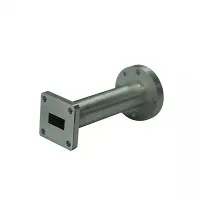
How does a waveguide filter work?
Aug 12, 2023
How does a waveguide filter work?
Waveguide Filters are devices used in communication systems to filter out unwanted signals or frequencies. They are highly efficient and essential in maintaining signal purity.

1. Introduction
Communication is an integral part of human relationships and the global economy. Every day, people around the world send messages and data through various communication channels. These channels have to be reliable, efficient, and effective to guarantee smooth communication. Waveguide filters are among the technological advancements that have revolutionized the communication industry. Waveguide filters are primarily used to filter unwanted frequencies from electromagnetic waves. This paper seeks to provide an in-depth analysis of waveguide filters, their applications, and their impact on the communication industry.
2.Definition of Waveguide Filters
A waveguide is a long and hollow metallic tube used to guide electromagnetic waves. The waveguide is made of metals such as copper, brass, or aluminum and is designed to contain the waves inside it. Waveguide filters are a type of electromagnetic filter that is used to select the frequency of an electromagnetic wave. These filters operate in the microwave region of the electromagnetic spectrum and can support high-frequency applications.
3.Waveguide Filter Applications
3.1 Waveguide filters are used to support various applications in the communication industry. One of the most common applications of waveguide filters is in radio frequency (RF) communication systems. These filters are used to filter out unwanted frequencies from the transmitted signals, thereby improving the quality of the communication signal. Additionally, waveguide filters are used in radar systems to select a specific frequency from the electromagnetic waves.
3.2 Waveguide filters find applications in military communication systems as well. In military applications, waveguide filters are used to build electronic warfare (EW) systems that jam and disrupt enemy communication channels. These EW systems use waveguide filters to block specific radio frequencies from enemy communication channels.
3.3Waveguide filters are also used in medical applications such as magnetic resonance imaging (MRI). In MRI technology, waveguide filters are used to filter out radio waves to produce high-quality images. The quality of the images depends on the accuracy of waveguide filters used in the system.
4.Benefits of Waveguide Filters
4.1 Waveguide filters bring several benefits to the communication industry. One of the benefits of waveguide filters is that they are highly reliable. Waveguide filters are designed to last for years without losing their accuracy or efficiency. Additionally, waveguide filters are highly efficient, meaning they can filter out unwanted frequencies without affecting the quality of the communication signal. Thus, waveguide filters can significantly enhance the reliability and efficiency of communication channels.
4.2 Moreover, waveguide filters are very low-loss devices. This means that they do not generate a significant amount of heat, which can result in signal noise. Waveguide filters have low insertion loss, which means they do not degrade the signal quality. Thus, waveguide filters can improve the overall signal-to-noise ratio.
4.3 Waveguide filters also have a small footprint and can be designed to fit into small spaces. This feature makes them suitable for various applications, including space communication, where the size of the entire system is critical. Additionally, waveguide filters can operate effectively in hostile environments, making them suitable for various military applications.
5.Conclusion
In conclusion, waveguide filters are highly valuable devices that have transformed the communication industry. These filters have a wide range of applications, including the military, medical, and RF communication systems. Waveguide filters are highly reliable, efficient, and low-loss devices that can significantly improve the reliability and efficiency of communication channels. Additionally, waveguide filters have a small footprint and can operate in hostile environments, making them suitable for use in various applications. In the future, waveguide filters will continue to have a significant impact on the communication industry, resulting in the development of more advanced communication systems.